datmedia insight and expertise:

Why in-store music benefits your business
music in retail

Here's why you should play in-store music in your premises.

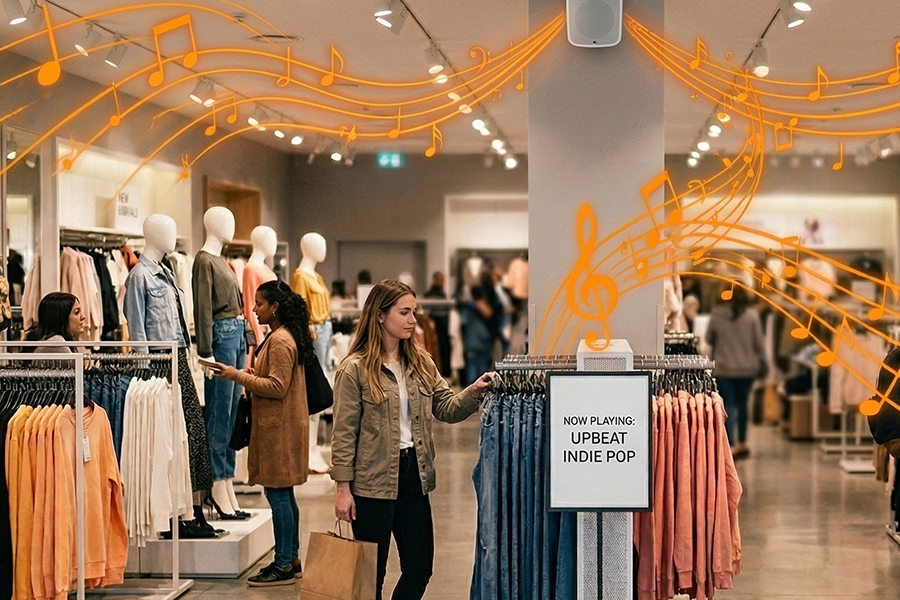
Who doesn’t like a good song? It puts you in a great mood and often takes you back to the place when you first heard it. So if that’s happening to you, it’s also happening to your customers. When they hear a song they like it triggers a number of positive emotional responses which can be good for business. If you don’t play in-store music for retail in your premises, you should, and here are three reasons why.

1. Build the right atmosphere

Every retailer is well aware that e-commerce has made trading in physical stores more challenging. The quality of a customer’s shopping experience is now one of their most important concerns. You shouldn’t underestimate how big a role music plays when creating and enhancing that experience. Research shows that the music you play affects not only the store’s environment, but also shoppers’ moods and feelings. Think about what kind of atmosphere and customer experience you want to create.

2. Encourage shoppers on the path to purchase

When people enjoy in-store music, they tend to spend more on impulse purchases. What’s more, the same happens even if they don’t notice music is playing, which shows the subconscious (yet very real) effect music has on shopping habits. It has been noted that the type of music played can trigger specific purchases. Classical music, for example, has been found to influence shoppers to buy more expensive items. So if you sell big-ticket items, you may want to consider classical music rather than the latest pop songs. A study in the 1990’s found that French music played in a wine store boosted sales of French wine. Likewise more people bought German wine when German music was playing. This strategy can apply to your store.

3. Increase productivity with in-store music for retail

Remember that it’s not just customers but employees and managers who will also benefit from in-store music. A thoughtful music strategy is a terrific tool that helps boost staff morale, concentration and productivity. A recent study showed that 88% of people listening to music at work performed better, and more accurately, than those who didn’t. It’s not the only study, many show similar results.

instore music shopper

Here are a couple more reasons why setting the right mood helps your business.

  • It shortens the perceived waiting time. Smart businesses play good music when you’re on hold because it can affect your perception of time. The same is true in a store. A long queue feels shorter when people are entertained. They are less likely to get bored or annoyed – and are more likely to return.
  • In-store music for retail helps you set the shopper’s pace. Studies repeatedly show that music affects how people browse in a store. When the music is calm and peaceful, so are the shoppers. When it’s loud and energetic, people use the store more purposefully. Interestingly, the change in pace doesn’t affect sales. Therefore a smart music strategy changes styles depending on the time of day and desired goals.
  • It helps create a private space. Because music fills in the gaps, and masks other people’s conversations and movement, it creates an illusion of privacy. People feel more comfortable browsing and talking to family or friends, ergo the store is a more appealing place to shop.
music in retail
It’s all about the brand.

What kind of business are you and, more importantly, how do you want your customers to feel about your business? The tempo, volume and style of music you play communicates your brand’s personality. Are you positioned edgy and young, or laidback and family? Tell your story with music.

If you are thinking about how music – an incredibly powerful branding tool – can do the hard work for you, let’s talk. With a library of over 4,500 retail friendly songs ready to go, we’re here to help you add a soundtrack to your business today.
datmedia insight and expertise:

Choosing Digital Signage Software

A good CMS is the key to digital signage network.

Good digital signage software is the key. Even a little bit of research can be overwhelming at first. However you’ll soon start to make sense of the project once you ask yourself these basic questions:

  • What are my objectives
  • How will I measure success?
  • Where are my displays, and how many are there?
  • Who will be responsible to run the software?
  • Do they have resources available? Is this budgeted?
  • What does the content look like, and how will it be produced?

The key to success is about research, planning and assigning responsibility. Once you know how everyone will engage with the digital signage network, what you want from digital signage software (or content management system – CMS) will become evident.

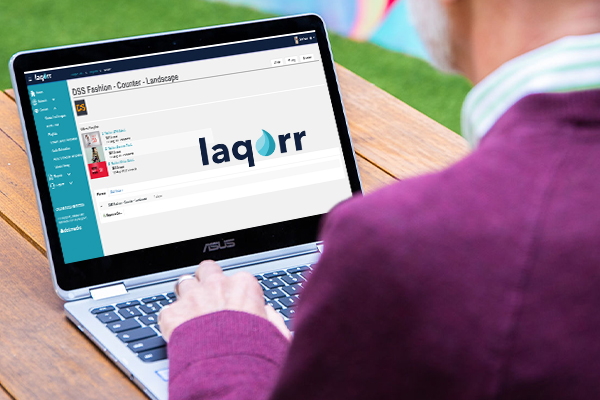
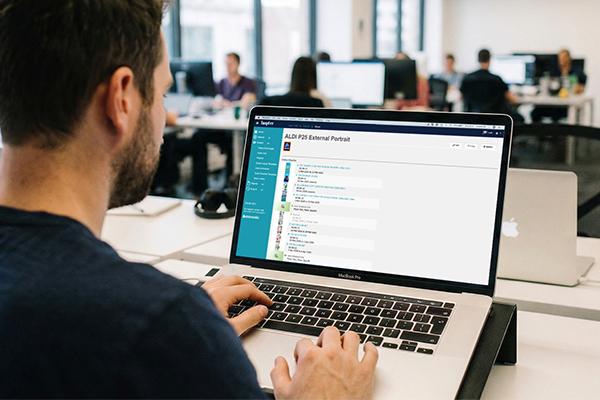
Good digital signage software like Laqorr * is the glue that holds a network together. Some are sold on an enterprise basis — meant to be installed and managed by a larger customer’s IT team. However, the majority of CMS are cloud-based platforms, with multiple end users accessing the system.

datmedia laqorr CMS
What does a good CMS need to do?

1). It needs to work at scale. Whether you’re updating content on 1 or 100 displays, you need a CMS that makes that process easy. You don’t want to have to update each display separately, you need to be able to issue one command that sends every screen new content at once.

2). It needs to play still images and video. There’s nothing as captivating as the moving image to sell your brand or inform customers. Yet there are times when a still image is more appropriate, or legally required. Therefore your CMS must be able to play both, and play them seamlessly.

3). Don’t stop there. While images and video are the bread and butter of digital signage, it’s just as important to be able to bring up html files, websites and run apps on your network. You need good digital signage software that can do all that while also being able to assign different elements to different areas of the screen.

4). It needs to be web-based technology. No one wants to have to visit the office at 10pm because a player in the network is not running the correct video. However, few of us mind logging in to make a simple adjustment. It takes seconds, not hours.

5). Most importantly, it needs to be secure. It is critical that your CMS does not compromise the data security of your company. You need complete confidence that no one can hack your CMS and burrow further into your organisation’s IT network, nor compromise your digital signage network itself.

Choose the right platform

This can be perplexing, but there are a few main factors to help you get started.

Budget

Most cloud-based systems charge by the device, per month. On-premise systems usually have one-time costs which can work better if the system is funded as a capital cost (not an ongoing operating expense).

Operating style

Cloud-based systems leave the IT demands to the software as a service (SaaS) provider. Most end users now are opting for SaaS — outsourcing the system (and sometimes even operating tasks like scheduling and monitoring) to a service provider.

Content

Ultimately, the biggest influencer on CMS selection is what will be on the screen. For example, a platform designed for finance services may not suit the needs for retail marketing. A CMS that is incredibly robust and powerful might be over-engineered for the task at hand (and that brings you back to budget).

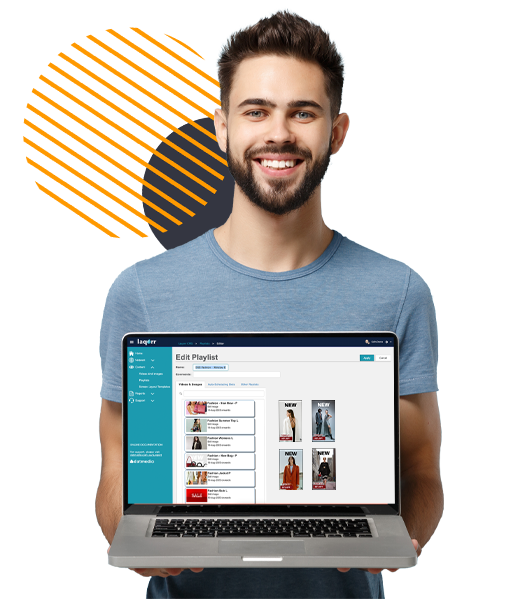
laqorr cms
Where to start?

Laqorr* is good digital signage software. It does all this and more. Download our CMS Buying Guide to see how easy it is to load content, build a playlist and run media content on a national (or international) network of displays.

If you’d like to learn more about how Laqorr is the perfect fit for a digital signage network, try a free demo device at your own site, on your own time. Get in touch with one of our subject matter experts today.

*Many people ask. Laqorr is pronounced La-Core

Categories
Our blog

Busting Digital Signage Myths

datmedia insight and expertise:

Busting Digital Signage Myths

Let’s challenge misconceptions about digital signage.

There are so many myths about digital signage that installing a new system can be daunting. But really, there’s no reason to be intimidated.

Yes, there are a number of questions: what sort of screen should I buy, how big should it be, how is it connected, and what will it all cost? To help clear the air, let’s challenge the misconceptions that surround digital signage.

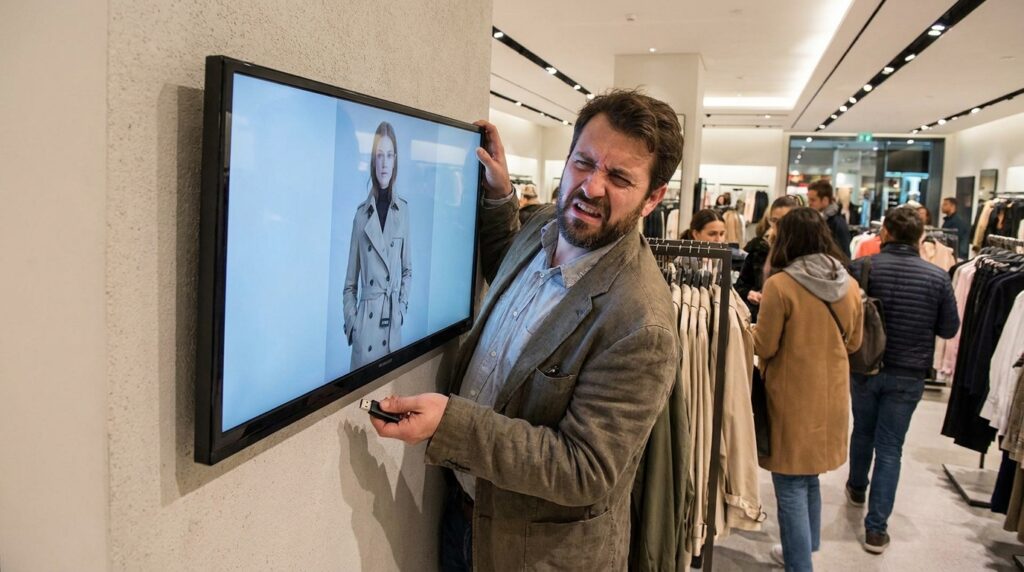
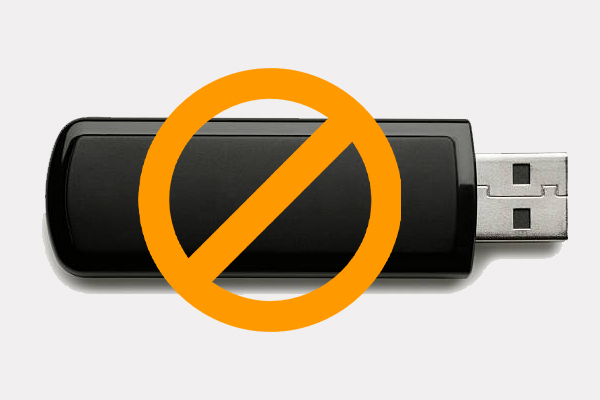
Some people still believe it’s too expensive (it’s not, the return on investment has been proven time and time again). Or that it’s too complicated. Again, it’s not. Single sites can easily run digital signage from a USB. Multi-site use cases require a content management system and there are many good value packages on the market. Laqorr is a great example of an easy-to-use CMS designed for business small or large.

But let’s take a look at three of the biggest myths about digital signage, and bust them.

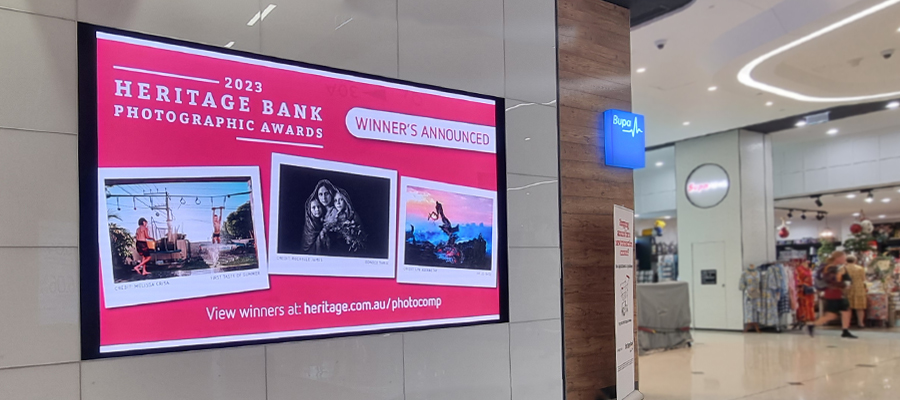
heritage led grand central
Digital Signage is expensive

It’s really not, especially when you factor in the ongoing costs of conventional signage. For a start, you’ll no longer pay for printing and shipping, nor the added cost of distribution. You also eliminate the cost of compliance (the waste when signage isn’t hung on time in the right location). If no one can see your messaging, what’s the point of doing it in the first place? Once your screen, or network of screens, is in place, digital signage eliminates that ongoing expenditure.

The return on investment (ROI) is always improving because the cost of hardware is always decreasing. A high-performance HD display and media player using turn-key software is cheaper than it’s ever been. Increase revenue and recoup your outlay quickly by targeting customers when it matters most, at the point of purchase.

A consumer-grade screen will be OK

It might be, depending on how you use it. They’re certainly cheaper than their commercial-grade cousins. However they’re not designed for use sixteen hours a day, seven days a week and doing so could void any warranty. A typical consumer warranty is one year (void if used in a commercial environment). A commercial grade screens can be warranted for up to six years.

Commercial screens also have many useful features their consumer cousins don’t. More significantly, you have a much greater range of ‘nit’ (brightness) ratings on a commercial screen. This is particularly important if the screen is exposed to direct sunlight. Your content will be almost invisible on an outdoors-facing consumer screen. It’s next to useless when facing the sun. However your message will cut through on a hi-brite commercial screen, plus they’re fully warrantied. Consider the old maxim of “buy cheap, buy twice”.

laqorr cms
Managing content is too complicated

If you know how to create a Powerpoint presentation, or are used to building an iTunes playlist, then you’re good to go. That’s all a Content Management System is – digital signage software that allows you to load media files then play them in the order. There are many on the market and they all do the same thing (although the better the CMS, the more creative you can get with your playlists).

Good digital signage software like Laqorr takes the stress out of managing your media. With a few clicks, your content appears in the right place, at the right time on any number of displays, from one to one thousand. If you’ve only got a couple of screens you might not even need a CMS; loading content on a USB could be all you need. There is a range of solutions available at different price points proving yet again that digital signage isn’t expensive.

Thanks to advances in technology, today’s digital signage is brighter, more energy efficient and more cost-effective than ever before. Consequently the smallest business can now use it to drive higher revenues with up to the minute messaging. ROI is both real and meaningful.

Free Demo Device

Now that you’re closer to making that first step toward unleashing the power of digital signage, it’s time to try it out. Ask about a free demo device that you can trial onsite at your leisure. You may even bust a few myths about digital signage yourself.

datmedia insight and expertise:

Auto Update Tool Means Greater Accuracy, Less Time

Auto Update Tool Solves Problems.

We’re problem solvers at datmedia.

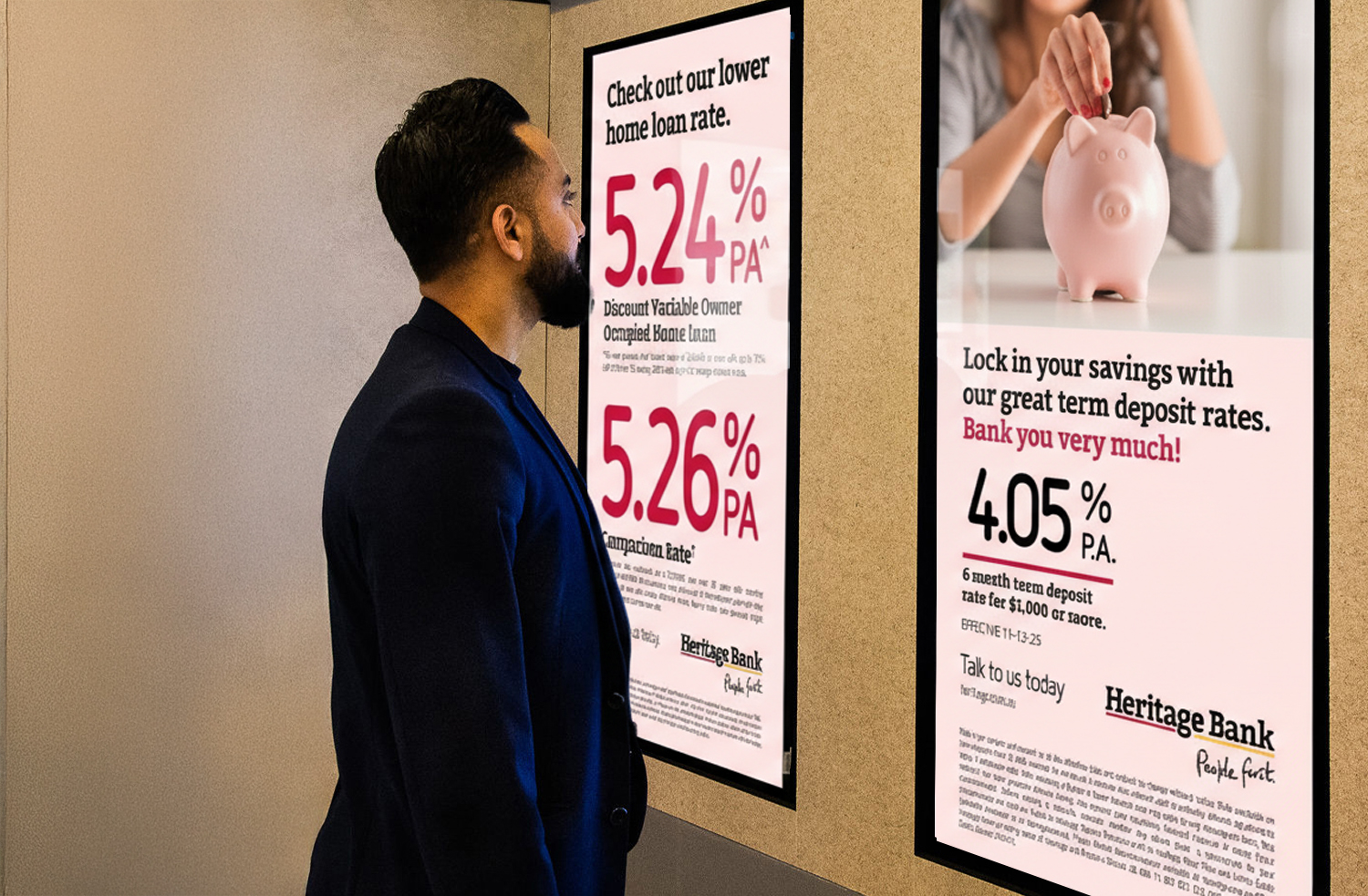
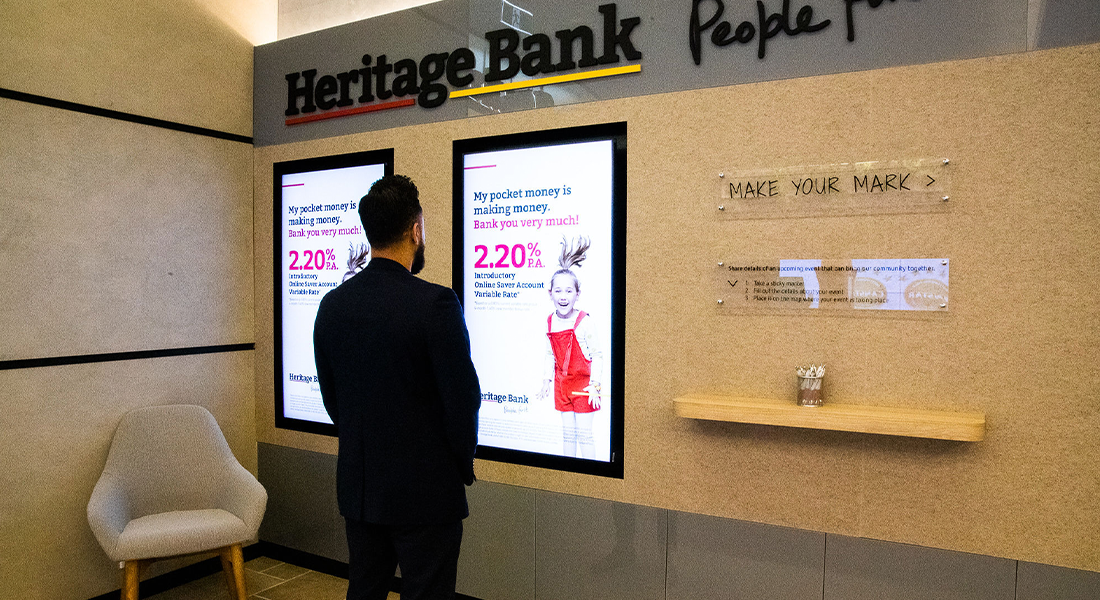
One of our clients, Heritage Bank, had a problem. When interest rates change, it’s imperative that all content- printed or digital – that shows an interest rate has to be up to date. If not, the consequences can be serious.

Automating rate change updates

When rates change, two things happen: new artwork has to be created then those files must be scheduled across a network of screens. The more changes there are, the more room there is for error.

In recent months, interest rates have seen a lot of movement. Finding a reliable, automated solution that reduced human error and increased compliance was essential.

Integrating datmedia’s Auto Update Tool with Laqorr digital signage software now means the right data always reaches customers at the right time – and with minimal human interaction.

Automated Process

datmedia’s Auto Update Tool draws information it requires directly from the ‘source of truth’ via an API. It takes that data – in this case interest rates – to generate and schedule new digital signage files whenever it recognises a change has occurred.

This eliminates human interaction and reduces the risk of publishing old or erroneous information. Failsafe protocols ensures old files are removed so that Heritage Bank’s digital signage network is always up to date, always compliant and always meets regulatory obligations.

More than that, it helps the bank deliver the best customer experience. Don’t take our word for it, watch the short video above and, when you’ve more time, the full length video here.

“Automating the process removed the element of human error and significantly reduced overall risk to the bank”

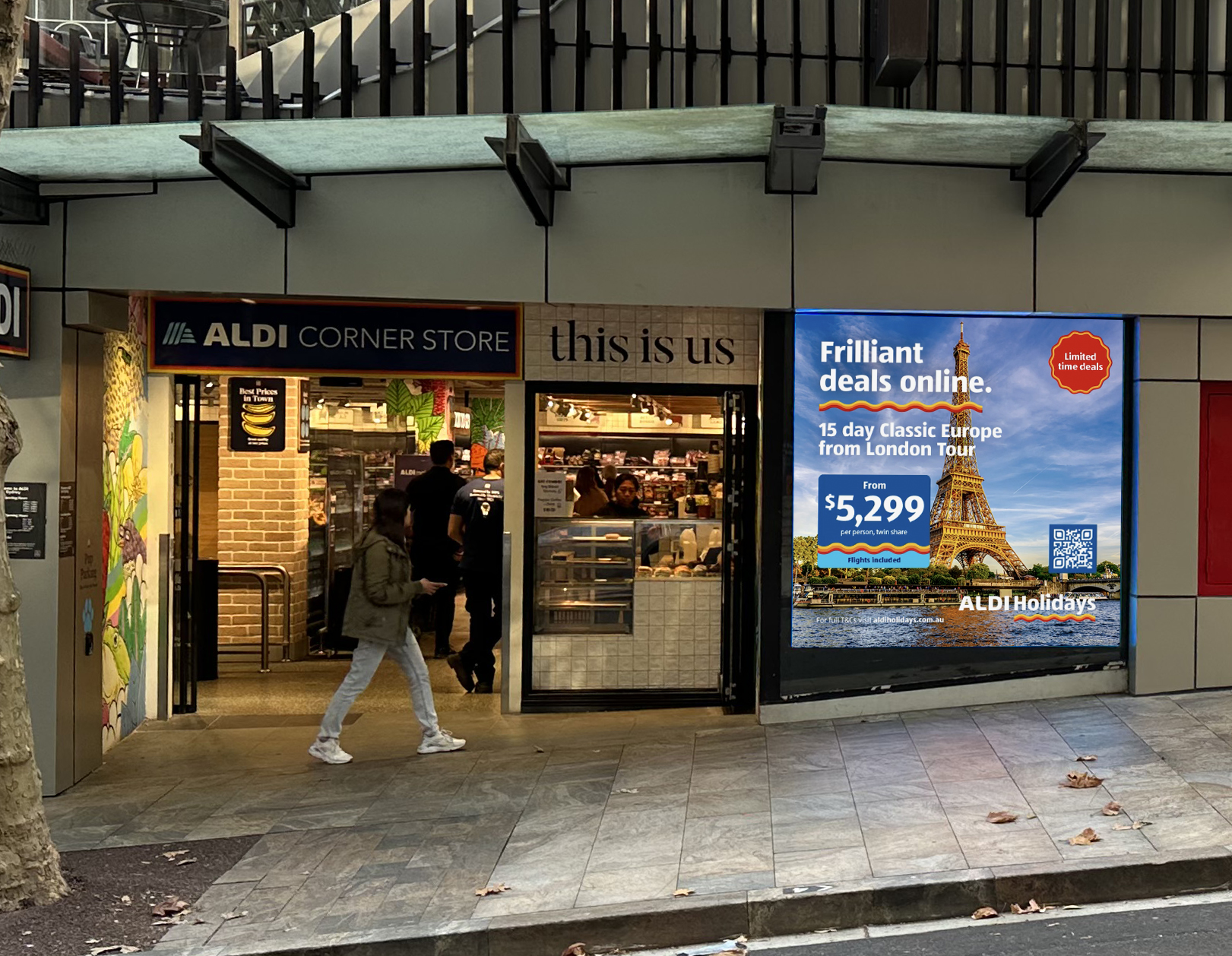
datmedia our work showcase

Significantly, the Auto Update Tool is not limited to interest rate changes. Any source of data can be mapped to any digital design – from trading hours to spot sales. Imagine how easily you can communicate to your customers, creating data-driven artwork on demand. Image what that can do you for your business!

If you’re ready to evolve your digital signage experience like Heritage Bank, get in touch today. Let’s talk about your future.